Okay, so check this out—I’ve been poking around Solana dapps for years, and the push for a true web version of Phantom feels overdue. Whoa! The idea of managing wallets directly in the browser without a native install sounds convenient. At first I thought browser wallets would be kludgy, but then I noticed the UX gap most dapps still leave open, and it changed my view. Hmm… something felt off about the current flow. My instinct said: users deserve an on-ramp that’s as frictionless as a normal web login, but still secure enough for crypto.
Here’s the thing. Solana is fast. Solana is cheap. And yet onboarding still trips people up. Really? Yes. A lot of projects ship wallet-centric flows that assume users already have an app. That assumption kills conversions. On one hand, mobile-first wallets are great for power users. On the other, web-first access converts casual visitors into active participants, and that grows your dapp faster. Initially I thought deep integrations were the only way to win, but then realized a well designed web wallet can produce similar trust cues while keeping the friction extremely low.
Phantom has been the de facto experience for many. I’m biased, but having a polished interface matters. Seriously? Absolutely. A web version of the phantom wallet — when done right — can let beginners click, connect, and transact without hunting for downloads. That matters in marketing funnels. It matters in hackathons. It matters when a friend wants to mint an NFT at 2am and doesn’t want a tutorial. And yeah, it matters to devs building dapps who want predictable behavior across browsers and platforms.
How a web Phantom changes the UX equation
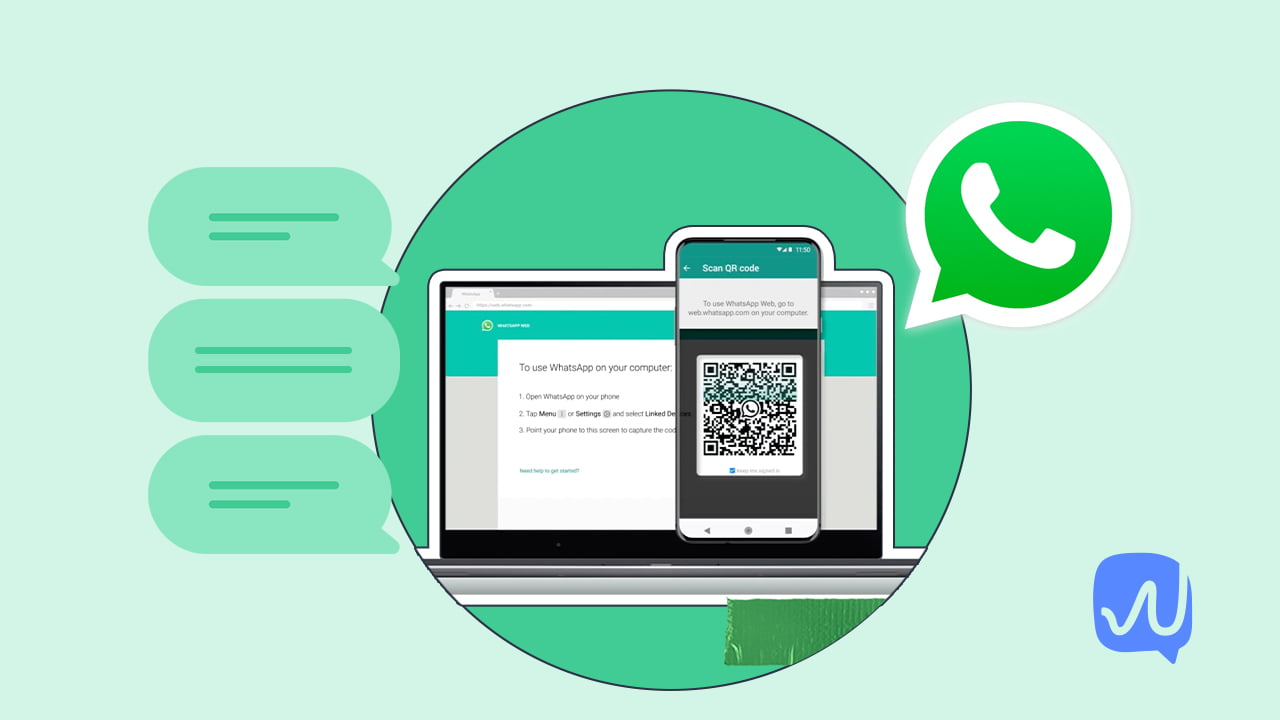
Short wins matter. Small trust signals matter. When a user sees a wallet popup that looks polished, they pause and breathe. They don’t bolt. That’s a big deal. On a technical level, a web-native Phantom needs to handle key management, signature requests, session persistence, and graceful fallback to mobile or extension modes. Those are the real engineering pieces that make the magic feel invisible.
On the implementation side, there are three big tradeoffs to balance. Security. Convenience. Compatibility. You pick two, or rather you design to maximize all three without making compromises obvious. Initially I thought browser-only key storage would never be safe enough for real funds, but cultural and technical gains from ephemeral sessions and hardware-backed pathways have changed that calculus. Actually, wait—let me rephrase that: browser storage for seed material should be treated with extreme caution, but web-first flows can be architected to use delegated signing or secure enclaves without exposing keys directly to the page.
One pattern works especially well: session-backed signing. It lets users do low-risk actions in-session while deferring high-value approvals to stronger verification steps. That design keeps onboarding smooth and security layered. And layering is very very important. There’s no single bullet that makes everything secure; you need a chain of small protections that together add up to something resilient.
Design cues I want to see in the wild
First: clear provenance. Show where a signature will be used, why a dapp is requesting it, and what the user will get. Short, plain language. No legalese. Second: tiered approval. For small, frequent tasks, allow session-based confirmations. For high-value transfers, require reauth with a stronger factor—the browser can echo to a mobile lightning handshake, or call a hardware prompt.
Third: graceful connectivity. Users hop browsers, devices, and networks. The web wallet should detect when a session is stale, offer an easy reconnect, and provide clear instructions for recovery if keys are lost. I’m not 100% sure of every recovery UX detail, but I know the experience matters more than the crypto-purity of any single mechanism. (Oh, and by the way… recovery flows that feel like customer support are underrated.)
Last: predictable privacy. Don’t surprise users with hidden requests that leak metadata. Build transparency into the UX so that people can make informed choices without a PhD. That part bugs me when I see wallets that hide the implications behind terse buttons.
Developer ergonomics: why builders will love a web Phantom
From the dapp side, one thing I hear again and again is: “We just want a dependable API that behaves the same everywhere.” A native extension can be great, but a robust web wallet reduces compatibility testing across environments. It also opens doors to frictionless demos, embedded experiences, and faster onboarding links that marketers can use in a tweet or an email without asking users to install anything first.
There are patterns devs should follow when integrating. Use predictable RPC patterns. Provide clear error codes and fallback UX. Offer a “demo mode” so that curious visitors can try read-only features before they commit. Those practices increase trial rates. Initially I thought offering demo modes would undercut conversions, but it typically does the opposite—people who try the demo are more likely to convert because they already understand the product.
Security-minded devs will say: “But what about phishing?” Good point. Browser wallets need to give users consistent cues that signify trust—signed domain info, verifiable metadata, and visual markers that are hard to spoof. On a practical level, detect and warn about suspicious origins and repeated signature requests. Don’t be shy about protecting users; they remember the first time somethin’ sketchy happened.
Real-world scenarios where web access wins
Mint drops. Faster onboarding wins mint sales. Conferences. Attendees expect a quick wallet flow so they can engage right then and there. Marketplaces. Browsers simplify listing and bidding. Education. A browser wallet lets classrooms demo token interactions live without long installs. Each case has different tolerances for risk, and a thoughtful web wallet respects that variance.
On one hand, power users will always prefer hardware-backed or mobile solutions. Though actually, many power users use both depending on the task. A web Phantom shouldn’t be positioned as a replacement but as an alternate mode—a bridge. That nuance is crucial.
FAQ
Is a web wallet as secure as an extension or mobile wallet?
Short answer: not inherently. Long answer: security depends on architecture. Web wallets can be secure if they avoid storing raw seeds in plain browser storage, use ephemeral sessions for low-risk tasks, and integrate optional hardware-backed approvals for high-value actions. Personally, I prefer layered approaches—use the web for convenience and pair it with a stronger auth for big moves.
Will a web Phantom break dapps that expect the extension?
Most well-built dapps use wallet adapters or standard provider hooks. If you’re following those patterns, a web wallet can integrate cleanly. There will be edge cases—legacy assumptions about extension-only APIs—but the ecosystem is moving toward adapter patterns precisely to avoid that fragility.
How should developers test for web wallet compatibility?
Test across browsers, incognito modes, and different network conditions. Automate flows that cover connect, sign, and transaction submission, and create a “demo” test that mimics a first-time user. Also, simulate revoked sessions and recovery paths—those are where real users trip up most.
Okay, back to the emotional arc. Early skepticism gave way to curiosity, then to cautious optimism. I still have reservations. I’m not 100% sure every user will be comfortable signing in the browser, and that’s fine. The goal isn’t to force one model. It’s to expand choices without compromising safety. On the other hand, the potential for better onboarding and higher engagement is real and measurable.
So what’s next? For teams building Solana dapps: prototype a web-first flow for a subset of actions, measure conversion lifts, and then tighten security around the higher risk steps. For wallet teams: prioritize clear provenance, layered approvals, and simple recovery. For the ecosystem: push for consistent wallet adapter standards that make swapping between extension, mobile, and web experiences seamless.
I’ll be honest—this part excites me. There’s a real opportunity to make crypto feel less like a niche tool and more like something people can use in the same breath as their favorite web apps. Somethin’ about that feels like the next stage for Solana. Maybe it’s not perfect. It won’t be perfect. But it’s a step that matters.