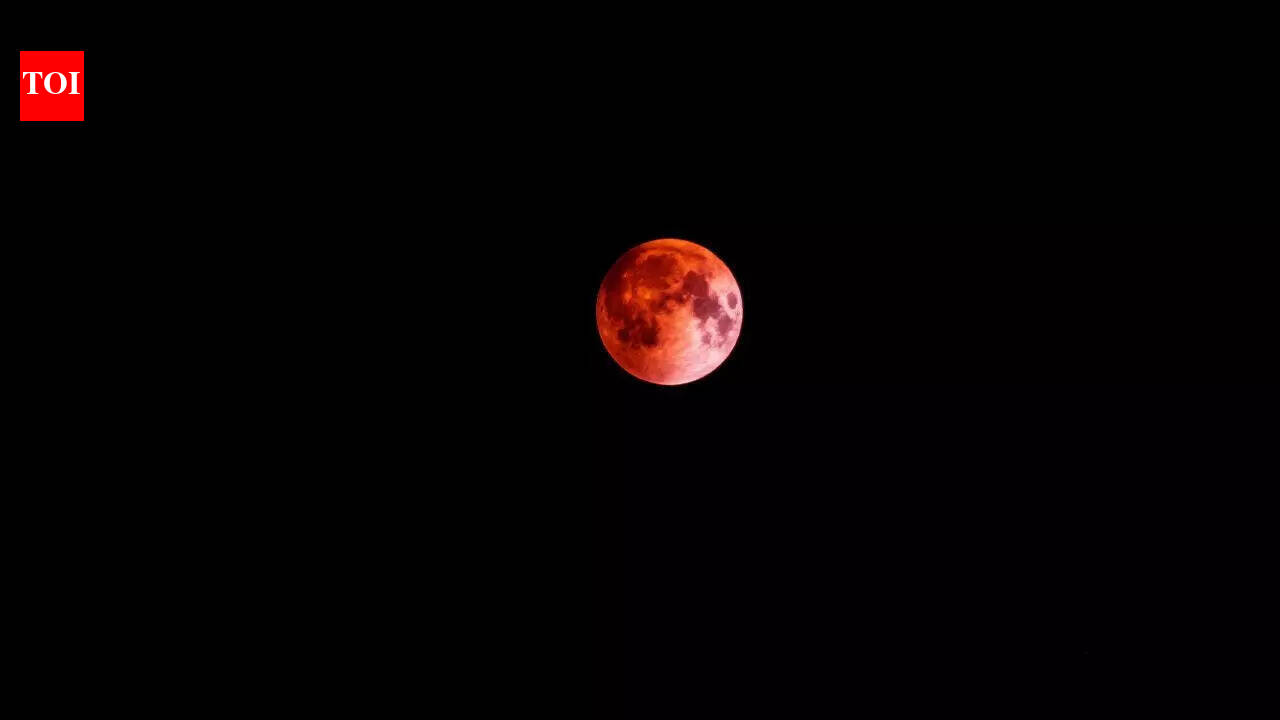
What Is a Total Lunar Eclipse?
Get ready for a cosmic show! On March 3, 2026, Earth will slide directly between the sun and moon, creating a total lunar eclipse. This happens when our planet casts its shadow across the moon’s surface. Unlike solar eclipses, lunar eclipses are safe to watch and transform the moon into a stunning “blood moon” during totality.
The Blood Moon Phenomenon
Why red? During totality, Earth acts like a giant filter. Sunlight bends through our atmosphere, scattering blue light but letting red light pass. This red glow hits the moon, making it appear coppery or blood-red—the same science that paints our sunrises and sunsets!
When and Where to Watch
Mark your calendars! This will be the only total lunar eclipse of 2026 and the last until late 2028. Skywatchers across Asia, Australia, North America, and parts of South America will get front-row seats. Visibility depends on your location:
Asia & Australia: See the full eclipse in evening skies.
Americas: Catch the show before dawn.
Europe & Africa: May miss out due to moon position.
Check local astronomy resources for exact timing in your area.
How to Experience the Eclipse
No special gear needed! Unlike solar events, you can safely watch every phase with your naked eyes—from the first shadow touch to full redness. For an enhanced view:
Find dark skies away from city lights. Binoculars reveal cool lunar details, but even without them, the moon’s transformation is breathtaking. Arrive 30-60 minutes early to see Earth’s shadow creep across the surface.
Phases of the Event
The eclipse unfolds in dramatic stages. First, the moon enters Earth’s faint outer shadow (penumbra), dimming slightly. Next comes the main event: the moon moves into the dark inner shadow (umbra), turning deep red for totality. Finally, it reverses the process over several hours.
Why This Eclipse Matters
Total lunar eclipses connect us to the cosmos in unique ways. For Indian observers, it coincides with Holi Festival celebrations. Worldwide, it’s a chance for star parties, science lessons, and experiencing our solar system in action—no telescope required!