Here’s the article structured for easy teen readability:
A New Era in Cancer Vaccines: Shape Matters More Than You Think!
Forget what you knew about vaccines! Scientists discovered it’s not just about ingredients – how those ingredients are physically arranged dramatically changes effectiveness. Over ten years, Northwestern University researchers cracked this code and applied it to cancer vaccines targeting HPV-related cancers.
Their breakthrough? Simply changing the position and orientation of a single cancer-targeting protein fragment boosted the immune system’s tumor-fighting power. This game-changing study landed in Science Advances this February.
The Spherical Vaccine Breakthrough
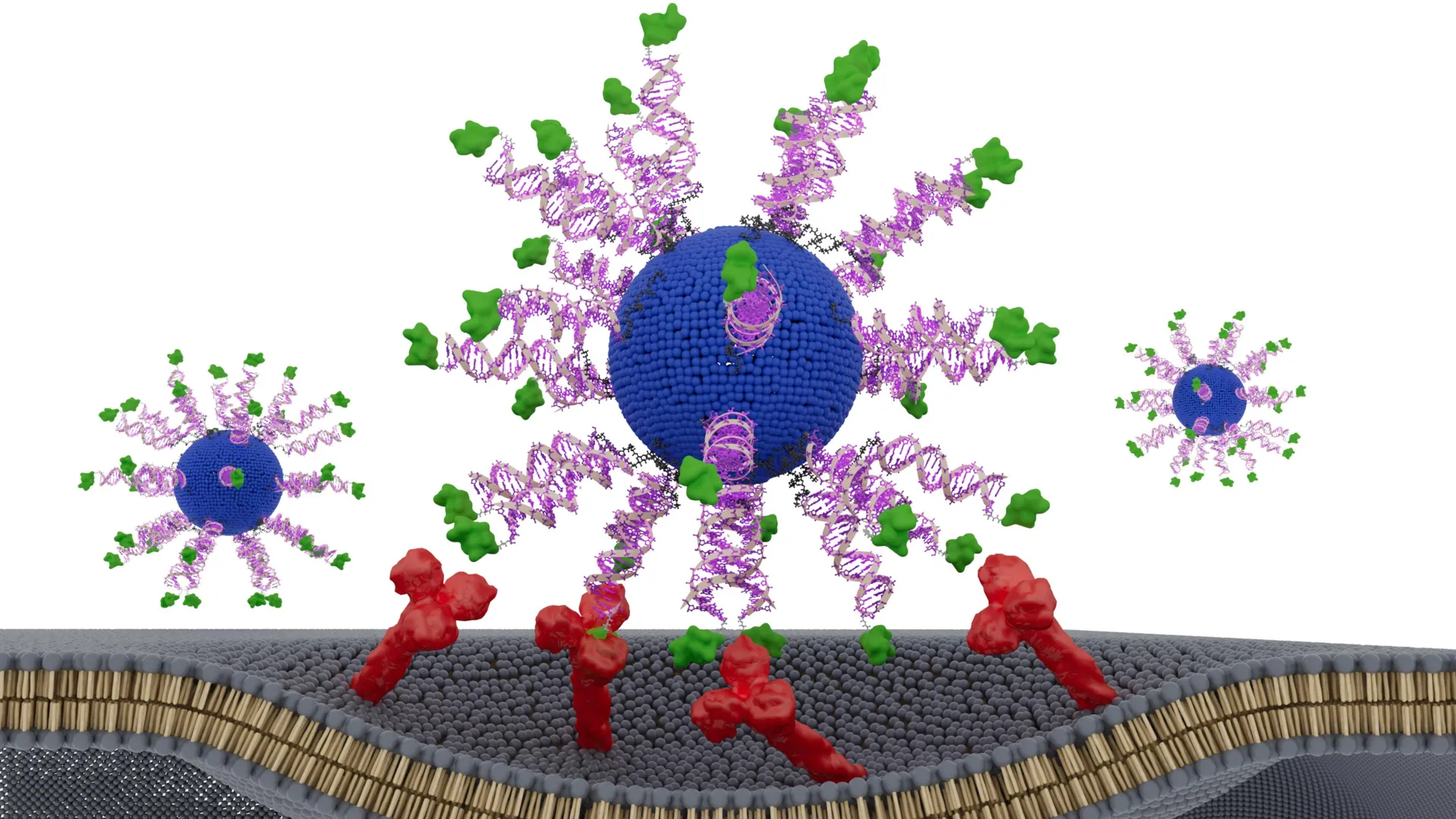
The team created a spherical nucleic acid (SNA) vaccine – a tiny DNA ball that slips into immune cells like a master key. They engineered different versions where the cancer-targeting components were arranged in distinct patterns. These were tested in human-like animal models and real tumor samples from head and neck cancer patients.
One configuration crushed the competition: It slowed tumor growth, helped animals live longer, and activated supercharged cancer-killing T-cells. This proved that nanoscale arrangement decides whether a vaccine barely works or becomes a cancer-destroying powerhouse.
Beyond the Vaccine Blender
Traditional vaccines mix ingredients randomly – like throwing everything in a blender. Cancer vaccines typically combine tumor molecules (antigens) with immune boosters (adjuvants) with no precision.
“Look at today’s complex medicines,” says nanotechnology pioneer Chad Mirkin who led the study. “Even COVID vaccines have inconsistent particles. To defeat cancer, we need perfect structure.” His team proves organized nano-designs work better with fewer side effects than random mixes.
Turning Up the Heat on HPV Cancers
HPV causes cervical and head/neck cancers. While prevention vaccines exist, they don’t treat existing cancers.