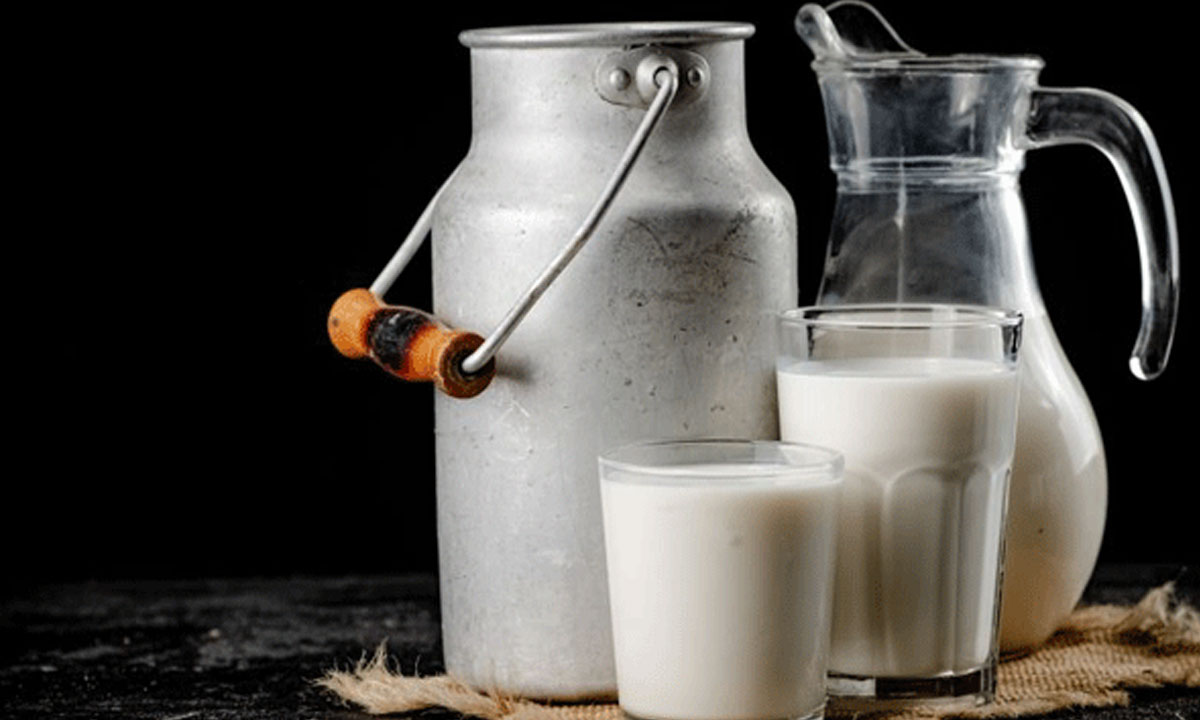
The Rajamahendravaram Milk Scandal
A scary situation is unfolding in Rajamahendravaram, a city beside the Godavari River. People got seriously sick after drinking contaminated milk. Sadly, four people died, and twelve others are fighting for their lives in hospitals. Health camps are packed with victims waiting for check-ups.
Why Milk Safety Matters
Milk is a daily essential – from our morning coffee to cereal. It’s especially important for kids and older adults. Turning this basic food into something poisonous isn’t just illegal; it’s devastating. Imagine your regular cup of tea secretly becoming a health hazard. That’s the terrifying reality behind this incident.
The Poison in Your Glass
This tragedy has exposed a dangerous underground trade: milk adulteration. Some suppliers mix harmful chemicals into milk to make it thicker or last longer, putting profits before lives. These chemicals can wreck vital organs like your kidneys.
Common Adulterants & Their Dangers
Urea & Detergents
Used to create fake froth, these chemicals cause immediate kidney damage. Victims in Rajamahendravaram got sick fast – some noticed they couldn’t pee normally before their kidneys shut down. Long-term exposure can lead to kidney failure.
Formalin (That Embalming Chemical!)
Added to stop milk from spoiling, formalin is literally used to preserve dead bodies. Doctors warn it could increase cancer risks if it gets into your system.
Synthetic Milk
Fake milk mixed from urea, caustic soda, and oil is pure poison. Experts link it to heart problems and high blood pressure. A 2018 WHO report even warned that tainted milk puts most people in the country at potential cancer risk.
Be Your Own Milk Detective
Don’t panic! You can test milk at home with simple tricks:
The Slide Test
Drop milk on a smooth surface. Pure milk flows slowly, leaving a white trail. Adulterated milk slides fast without a trace.
Detergent Check
Mix equal parts milk and water in a glass. Shake hard. Persistent, thick foam means detergent is likely present.
Urea Test
Mix milk with soybean powder. Dip red litmus paper into the mix after 5 minutes. If it turns blue, urea is probably in the milk.
Synthetic Milk Test
Rub milk between your palms. If it feels weirdly sticky, like soap, it could be fake. Also, synthetic milk often turns yellow when heated – a major red flag!